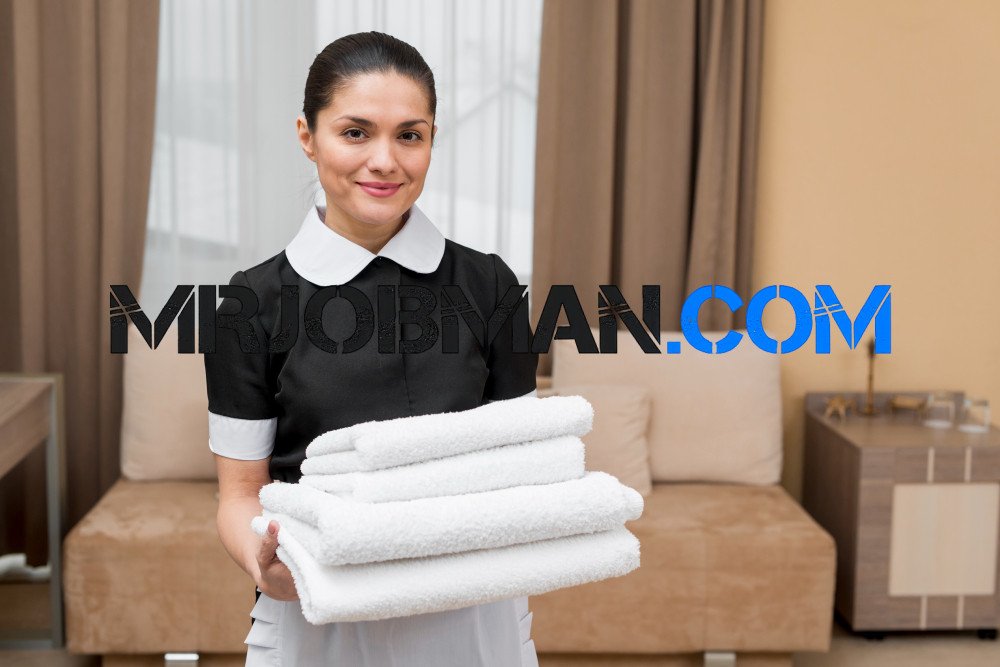
The housekeeping department in hotels is often considered the backbone of hospitality operations. In Nigeria, where the hospitality sector is experiencing significant growth due to rising tourism, business travel, and international events, housekeeping plays a pivotal role in ensuring guest satisfaction and operational excellence. A career in housekeeping offers a wide range of opportunities, from entry-level roles such as room attendants to senior positions like executive housekeepers. For individuals who enjoy organization, attention to detail, and creating comfortable environments for others, housekeeping provides a stable, rewarding, and growth-oriented career path. This article explores the various aspects of building a successful housekeeping career in Nigerian hotels, including roles, responsibilities, requirements, and career progression.
Understanding the Housekeeping Department
The housekeeping department is responsible for maintaining cleanliness, hygiene, and aesthetic appeal across all areas of a hotel. This includes guest rooms, corridors, lobbies, banquet halls, and recreational areas. Beyond cleaning, housekeeping ensures that rooms are fully stocked, functional, and welcoming for guests. The department also manages laundry services, inventory of cleaning supplies, and coordination with other hotel units such as maintenance and front office.
In Nigeria, hotels ranging from five-star luxury chains in Lagos, Abuja, and Port Harcourt to boutique hotels and local lodges all rely heavily on skilled housekeeping staff to deliver exceptional guest experiences. A clean and well-maintained hotel is critical for attracting repeat customers, garnering positive reviews, and enhancing the hotel’s reputation.
Entry-Level Roles in Housekeeping
Most housekeeping careers begin at the entry level, where individuals gain hands-on experience and develop a foundation of skills critical for career growth. Common entry-level roles include:
Room Attendant
Room attendants, sometimes called housekeeping attendants or maids, are responsible for cleaning and maintaining guest rooms. Duties include making beds, dusting, vacuuming, replenishing toiletries, and ensuring that rooms are spotless and ready for guests.
Public Area Attendant
This role focuses on the cleanliness and maintenance of public spaces such as lobbies, hallways, elevators, restrooms, and banquet areas. Public area attendants ensure that high-traffic zones remain clean, presentable, and safe for guests.
Housekeeping Porter
Also known as runners, housekeeping porters assist with transporting linens, cleaning supplies, and luggage. They support room attendants and other housekeeping staff in ensuring timely room turnover.
Laundry Attendant
Responsible for managing hotel laundry operations, including washing, ironing, folding, and distributing linens and guest clothing. In larger hotels, laundry attendants may also operate industrial washing machines and dryers.
Skills Required for Housekeeping Careers
While formal education is not always mandatory, certain skills and personal attributes are crucial for success in housekeeping:
- Attention to Detail: Housekeeping staff must notice small details that affect cleanliness and guest comfort, from smudges on mirrors to the proper alignment of pillows.
- Physical Stamina: The role often requires standing for long periods, lifting heavy items, and performing repetitive tasks efficiently. Physical fitness and endurance are important.
- Time Management: Room attendants and other housekeeping staff often work under tight schedules, especially during peak hotel occupancy. Effective time management ensures that rooms are ready for guests on time.
- Customer Service: While housekeeping staff may have limited direct guest interaction, professionalism, politeness, and responsiveness to guest requests are essential.
- Teamwork: Housekeeping is a team-oriented department. Collaboration with colleagues and coordination with other departments such as front office and maintenance ensures smooth operations.
- Organization Skills: Managing cleaning schedules, supplies, and inventories requires strong organizational abilities.
Requirements to Begin a Housekeeping Career in Nigeria
For entry-level housekeeping roles, most hotels in Nigeria require:
- Minimum educational qualification of secondary school certificate (SSCE/WAEC), although some may accept less for labor-intensive roles.
- Basic literacy and numeracy skills to follow instructions, maintain records, and handle supplies.
- Good personal hygiene and a professional appearance.
- Positive attitude, reliability, and willingness to learn.
For higher-level positions, formal education in hospitality, hotel management, or a related field can be advantageous. Short courses and certifications in housekeeping management, hygiene and sanitation, or hospitality operations are also valuable.
Career Progression in Housekeeping
A housekeeping career offers clear opportunities for growth, moving from operational roles to supervisory and managerial positions. The typical career path includes:
Room Attendant / Public Area Attendant / Laundry Attendant
The starting point for most housekeeping professionals, focusing on day-to-day cleaning and maintenance duties.
Housekeeping Supervisor
Supervisors oversee teams of room attendants and public area attendants, ensuring quality standards, efficient workflow, and timely completion of tasks. They report to the executive housekeeper or housekeeping manager.
Assistant Executive Housekeeper
This role involves assisting the executive housekeeper in planning schedules, managing inventories, training staff, and coordinating with other hotel departments.
Executive Housekeeper
As the head of the housekeeping department, the executive housekeeper is responsible for overall cleanliness, hygiene standards, staff management, budgeting, and operational planning. They report directly to the hotel’s general manager and play a strategic role in maintaining the hotel’s reputation.
Director of Housekeeping / Rooms Division Manager
In large hotels or chains, top-level housekeeping professionals may also oversee other departments like front office and laundry, managing the entire rooms division.
Salary Expectations for Housekeeping Professionals in Nigeria
Salaries in the housekeeping department vary based on role, experience, and hotel type. Approximate monthly salaries include:
- Room Attendant / Public Area Attendant: ₦50,000 to ₦120,000
- Housekeeping Supervisor: ₦120,000 to ₦250,000
- Assistant Executive Housekeeper: ₦200,000 to ₦400,000
- Executive Housekeeper: ₦350,000 to ₦700,000 or more, particularly in five-star hotels or international chains
Additional benefits often include accommodation, meals, health insurance, service charge bonuses, and professional development opportunities.
Challenges in Housekeeping Careers
Housekeeping work can be physically demanding and requires resilience, patience, and attention to detail. Long shifts, repetitive tasks, exposure to cleaning chemicals, and handling guest complaints are common challenges. However, individuals who approach the role with dedication, professionalism, and a focus on quality can build a rewarding career.
Another challenge is career recognition. While housekeeping is essential to hotel success, it is sometimes undervalued compared to front office or culinary roles. Demonstrating leadership, obtaining professional certifications, and consistently exceeding service standards can help overcome this perception.
Tips for Advancing in Housekeeping
1. Gain Practical Experience
Hands-on experience in various housekeeping roles provides a solid foundation for career growth.
2. Pursue Professional Development
Short courses and certifications in housekeeping management, sanitation, and hotel operations enhance skills and employability.
3. Develop Leadership Skills
Supervisory roles require the ability to manage teams, resolve conflicts, and maintain high standards.
4. Stay Organized
Efficient workflow management and attention to detail are key to maintaining guest satisfaction.
5. Embrace Technology
Familiarity with housekeeping management software, inventory tracking, and digital reporting systems is increasingly important in modern hotels.
6. Build a Reputation for Reliability
Dependable staff who consistently deliver quality service are more likely to advance to supervisory and managerial roles.
The Future of Housekeeping Careers in Nigeria
The demand for skilled housekeeping professionals in Nigeria is expected to grow with the expansion of the hospitality sector. Rising standards for hygiene, especially post-pandemic, and the increasing expectations of both domestic and international guests, have elevated the importance of housekeeping in hotels. Trends such as sustainable cleaning practices, eco-friendly products, and technology-assisted housekeeping operations are creating new opportunities for professionals in this field.
Young Nigerians entering the industry now have the chance to grow into leadership positions, contribute to professionalizing the sector, and enjoy competitive remuneration. For ambitious individuals, housekeeping is not just a job—it is a pathway to a fulfilling, stable, and upwardly mobile career.
Conclusion
A housekeeping career in Nigerian hotels offers more than just cleaning and maintenance. From entry-level room attendants to executive housekeepers, the profession is essential to guest satisfaction, operational success, and hotel reputation. By acquiring the right skills, gaining practical experience, pursuing professional development, and demonstrating reliability and leadership, individuals can build a rewarding career in this vital department of the hospitality industry.
Housekeeping provides opportunities for steady income, career advancement, and personal growth. For those who value organization, attention to detail, and service excellence, a career in housekeeping in Nigeria’s hotels is not only viable but also highly rewarding, offering a clear pathway from operational roles to senior management positions.