Introduction
Freight and cargo handling is an essential career in Nigeria’s logistics and supply chain sectors. Professionals in this field ensure that goods are transported safely, efficiently, and on time, whether by air, sea, or land. With the rapid growth of e-commerce, international trade, and industrial production, the demand for skilled cargo handlers has significantly increased.
This career offers young Nigerians opportunities for stable employment, technical skill development, and entrepreneurial ventures in logistics and freight forwarding. This article provides a comprehensive guide on freight and cargo handling careers, including the skills required, salary expectations, job opportunities, and practical steps to get started.
Understanding Freight and Cargo Handling
What is Freight and Cargo Handling?
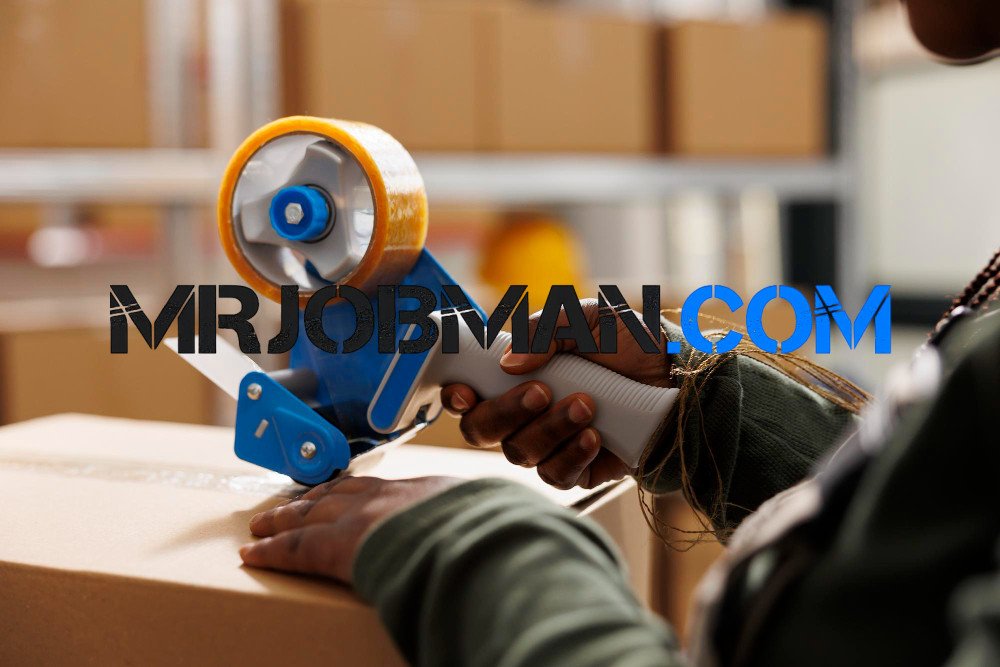
Freight and cargo handling involves managing the movement, storage, and shipment of goods. Professionals in this field coordinate the transportation process, ensure proper loading and unloading, and maintain accurate documentation for every shipment. Cargo handlers play a critical role in keeping supply chains efficient and preventing delays or damage to goods.
Types of Cargo Handling
- Air Cargo Handling: Managing goods transported by airlines, including loading, unloading, and documentation at airports
- Sea Freight Handling: Coordinating shipping containers, port operations, and vessel logistics
- Land Freight Handling: Managing goods transported by trucks or trains within the country or across borders
Responsibilities
- Loading and unloading goods safely
- Storing and securing cargo to prevent damage
- Maintaining accurate shipment documentation and logs
- Coordinating with logistics teams, transporters, and clients
- Ensuring compliance with safety and security regulations
Why Freight and Cargo Handling is a Promising Career in Nigeria
Several factors make freight and cargo handling an attractive career choice:
- High Demand: The expansion of e-commerce, imports, exports, and industrial production drives the need for cargo professionals.
- Diverse Opportunities: Employment is available in logistics companies, seaports, airports, and freight forwarding firms.
- Entrepreneurial Potential: Skilled professionals can start cargo handling businesses, courier services, or freight forwarding agencies.
- Flexible Career Paths: Options include warehouse management, logistics coordination, road freight operations, and specialized air or sea cargo handling.
- Contribution to Trade: Cargo handlers facilitate smooth operations in domestic and international trade, making them indispensable in supply chains.
Requirements to Become a Freight or Cargo Handler
Educational Requirements
- Minimum of a secondary school certificate (SSCE/WAEC/NABTEB)
- Recommended subjects include Mathematics, English, and Technical or Business Studies
- Strong literacy and numeracy skills to handle documentation and inventory
Professional Certifications
- Cargo handling and logistics training certifications from accredited institutions
- Occupational safety and health certifications to comply with industry standards
- Specialized air cargo or shipping certifications for airport and port operations
Other Requirements
- Physical fitness for lifting, moving, and managing cargo
- Ability to operate cargo handling equipment like forklifts, pallet jacks, and conveyor systems
- Teamwork and coordination skills for efficient operations
- Knowledge of safety protocols and regulatory compliance
Skills Needed to Succeed in Freight and Cargo Handling
Successful cargo professionals develop both technical and soft skills:
- Freight Management Knowledge: Understanding shipping procedures, customs, and documentation
- Equipment Operation Skills: Proficiency in forklifts, pallet jacks, and other cargo handling tools
- Attention to Detail: Accuracy in handling shipments and completing documentation
- Time Management: Meeting strict delivery schedules and deadlines
- Communication and Teamwork: Coordinating effectively with colleagues, supervisors, and clients
- Problem-Solving: Quick decision-making to handle shipment delays, damages, or errors
- Safety Awareness: Knowledge of occupational safety standards and cargo security procedures
Career Opportunities in Freight and Cargo Handling
Cargo professionals have a variety of career paths in Nigeria:
- Logistics and Shipping Companies: Handling cargo and coordinating transportation
- Airports and Seaports: Serving as cargo handlers, freight coordinators, or ground staff
- Warehousing and Inventory Management: Managing storage, inventory control, and distribution
- Truck and Road Freight Operations: Supervising loading, unloading, and transportation of goods
- Customs Clearance and Freight Forwarding: Assisting with regulatory documentation and shipment coordination
- Entrepreneurship: Starting courier services, freight forwarding businesses, or private cargo handling operations
These roles cater to entry-level professionals as well as experienced coordinators and managers seeking leadership positions.
Salary and Earnings Potential
Entry-Level Cargo Handlers
Monthly earnings range from ₦80,000 to ₦150,000, depending on employer and location
Experienced Freight Coordinators and Supervisors
Salaries range from ₦200,000 to ₦400,000 per month, with benefits and allowances
High-Level Roles
High-level roles, such as logistics managers or cargo operations managers, may earn ₦500,000 to ₦1,000,000, depending on experience and project scale
Entrepreneurial Opportunities
- Running a freight forwarding or cargo handling business can generate substantial income
- Earnings vary depending on contracts, clients, and service coverage
Factors Affecting Earnings
- Experience and skill level
- Type of cargo handled and specialization (air, sea, or land)
- Employer type: private, government, or multinational
- Location and scale of operations
How to Get Started in Freight and Cargo Handling
- Obtain Secondary Education: Complete SSCE/WAEC with relevant subjects
- Enroll in Cargo Handling or Logistics Training: Gain practical and theoretical knowledge
- Acquire Certifications: Focus on safety, freight handling, and air/sea cargo courses
- Apply for Apprenticeships or Entry-Level Roles: Gain hands-on experience in logistics firms, airports, or seaports
- Develop Skills: Learn to operate cargo handling equipment and manage documentation accurately
- Explore Entrepreneurship: Start a courier, freight forwarding, or cargo handling business once experienced
Challenges in Freight and Cargo Handling Careers
While rewarding, the profession comes with challenges:
- Physical strain from handling heavy cargo
- High-pressure environments with strict deadlines
- Safety hazards and potential accidents
- Exposure to adverse weather or night shifts
- Navigating customs, security, and regulatory requirements
Understanding these challenges allows professionals to adopt best practices and maintain safety and efficiency.
Future Prospects for Freight and Cargo Handling Professionals in Nigeria
The future of cargo handling in Nigeria is promising:
- Growth of e-commerce, industrial production, and international trade increases demand
- Opportunities for specialization in air freight, sea freight, or road cargo operations
- Career advancement to supervisory, managerial, or logistics planning roles
- Entrepreneurial growth in freight forwarding, courier services, and warehousing
- Adoption of technology for cargo tracking, automation, and warehouse management improves efficiency and profitability
Skilled professionals who combine technical expertise, safety awareness, and efficiency will thrive in Nigeria’s growing logistics industry.
Conclusion
Freight and cargo handling is a rewarding and vital career for young Nigerians. Professionals ensure the smooth movement of goods across the country and beyond, contributing to trade, e-commerce, and industrial supply chains.
By obtaining the right education, professional training, and certifications, aspiring cargo handlers can secure stable jobs, develop technical skills, and explore entrepreneurial opportunities. Success in this field requires attention to detail, teamwork, safety awareness, and professionalism.
For Nigerians looking for a career with steady income, growth potential, and critical importance to the economy, freight and cargo handling presents a highly promising path.