
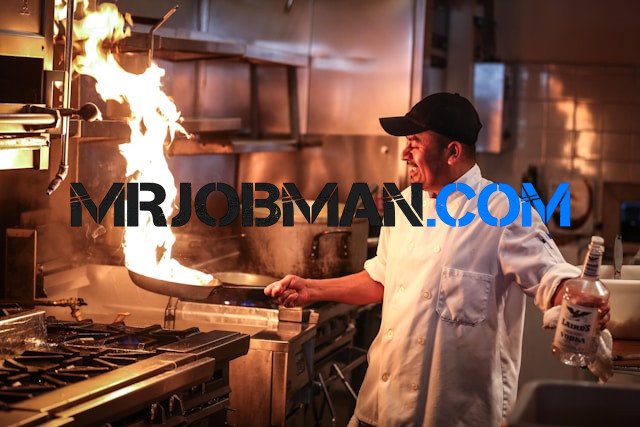
Cooking has always been an important part of Nigerian culture, but in recent years, the role of a chef has evolved far beyond home kitchens and local bukas. Today, chefs are respected professionals working in hotels, restaurants, resorts, airlines, oil and gas camps, private clubs, catering companies, and even as personal chefs for high-net-worth individuals. With the growth of fine dining, fast food chains, luxury hotels, and food-focused media, a chef career in Nigeria has become structured, competitive, and full of long-term opportunities.
Unlike many professions, becoming a chef is not about jumping straight to the top. It is a journey that requires patience, discipline, continuous learning, and years of hands-on experience. The chef career path is clearly defined, starting from entry-level kitchen roles and progressing step by step to senior leadership positions like Executive Chef.
This article provides a comprehensive guide to the chef career path in Nigeria, explaining each stage from Commis to Executive Chef, the skills required, qualifications, salary expectations, challenges, and how aspiring chefs can build successful and sustainable careers in the Nigerian hospitality industry.
Understanding the Professional Chef Career in Nigeria
A professional chef is someone who prepares food in a commercial kitchen and follows structured systems, recipes, hygiene standards, and service timelines. In Nigeria, professional chefs work in diverse environments such as hotels, standalone restaurants, lounges, event centers, bakeries, quick service restaurants, and industrial catering operations.
Unlike informal cooking, professional cheffing requires consistency, teamwork, time management, and strict adherence to food safety standards. Kitchens operate like production units, and every chef has a defined role within a hierarchy.
The chef career path is largely the same worldwide, including in Nigeria. Progression is based on skill, experience, leadership ability, and understanding of kitchen operations rather than academic certificates alone.
Why a Chef Career Is Growing in Nigeria
Nigeria’s hospitality and food service industry has expanded significantly over the past two decades. Urbanization, tourism, business travel, and lifestyle changes have increased demand for professionally prepared meals.
International hotel chains, fine dining restaurants, lounges, and fast food brands continue to expand across major cities such as Lagos, Abuja, Port Harcourt, Ibadan, Benin City, Enugu, Uyo, and Owerri.
Social media, food blogging, and culinary television shows have also increased public appreciation for chefs as professionals and creatives.
In addition, catering for corporate events, weddings, oil and gas facilities, and large institutions provides steady employment opportunities for trained chefs.
All these factors make the chef profession one of the most practical and globally transferable careers in Nigeria today.
The Kitchen Hierarchy Explained
Professional kitchens operate under a structured hierarchy to ensure efficiency and accountability. Each level has defined responsibilities, and promotion is based on experience, competence, and leadership.
The common chef career path in Nigeria includes Commis Chef, Demi Chef de Partie, Chef de Partie, Sous Chef, Head Chef or Executive Chef depending on the size and structure of the establishment.
Understanding this hierarchy helps aspiring chefs set realistic expectations and plan their career progression properly.
Commis Chef: The Entry Point
The Commis Chef is the starting point for most professional chefs in Nigeria. This is an entry-level position designed for beginners who are learning the basics of kitchen operations.
A Commis Chef assists senior chefs with food preparation tasks such as washing, peeling, cutting ingredients, preparing stocks, and plating dishes under supervision.
They learn kitchen hygiene, food safety, knife skills, basic cooking methods, and how to work under pressure in a professional kitchen environment.
In Nigerian hotels and restaurants, Commis Chefs may rotate between sections such as hot kitchen, cold kitchen, pastry, or grill to gain broad exposure.
This stage is physically demanding and requires long hours, standing for extended periods, and strict discipline. However, it is the foundation upon which a chef’s entire career is built.
Most Commis Chefs in Nigeria earn between ₦80,000 and ₦150,000 per month, depending on the establishment and location.
Skills Developed at the Commis Level
At the Commis stage, the focus is on learning rather than earning. Key skills developed include basic cooking techniques, time management, teamwork, cleanliness, and following instructions.
Commis Chefs also learn how professional kitchens communicate, how orders flow, and how to maintain consistency during service.
Attitude is extremely important at this level. Chefs who are punctual, humble, hardworking, and eager to learn progress faster than those who rely only on talent.
Demi Chef de Partie: Building Confidence and Responsibility
After gaining sufficient experience as a Commis Chef, the next step is Demi Chef de Partie. This role involves more responsibility and limited supervision.
A Demi Chef de Partie assists a Chef de Partie in managing a specific kitchen section such as sauces, grill, pastry, or cold kitchen.
They prepare dishes independently, ensure mise en place is ready before service, and may supervise Commis Chefs during busy periods.
In Nigerian kitchens, this role marks the transition from beginner to intermediate chef. The chef is now trusted to handle tasks without constant supervision.
Demi Chefs de Partie in Nigeria typically earn between ₦150,000 and ₦250,000 per month.
Chef de Partie: Section Leadership
Chef de Partie, often called Station Chef, is a significant milestone in a chef’s career. At this level, the chef is fully responsible for a specific section of the kitchen.
A Chef de Partie plans menus for their section, ensures food quality and presentation, manages inventory, controls waste, and supervises junior chefs.
In Nigerian hotel kitchens, common sections include hot kitchen, continental, African cuisine, grill, pastry, bakery, and garde manger.
This role requires strong technical skills, organization, and leadership. Mistakes at this level directly affect service quality and guest satisfaction.
Chef de Partie salaries in Nigeria range from ₦250,000 to ₦400,000 per month, depending on experience and the type of establishment.
Skills Required at the Chef de Partie Level
At this stage, chefs must demonstrate consistency, speed, and accuracy. They must understand recipes deeply and be able to troubleshoot issues during service.
Leadership becomes important, as they guide Commis and Demi Chefs and ensure teamwork within their section.
Cost awareness also develops at this level, including portion control and waste management.
Sous Chef: Second-in-Command
The Sous Chef is the deputy head of the kitchen and one of the most demanding roles in the chef career path. This position bridges kitchen operations and management.
Sous Chefs coordinate all kitchen sections, ensure smooth service, enforce standards, and step in when the Head or Executive Chef is absent.
They handle scheduling, staff discipline, training, and quality control. In many Nigerian kitchens, the Sous Chef is deeply involved in menu planning and recipe development.
This role requires excellent leadership, communication, and problem-solving skills.
Sous Chefs in Nigeria typically earn between ₦400,000 and ₦800,000 per month, with higher salaries in luxury hotels and international brands.
Head Chef and Executive Chef: Reaching the Top
The Executive Chef is the highest-ranking professional in the kitchen. In smaller establishments, the role may be called Head Chef, but responsibilities are similar.
Executive Chefs oversee the entire food operation, including menu creation, kitchen budgeting, staff recruitment, supplier negotiation, quality assurance, and strategic planning.
They represent the kitchen at management meetings and play a key role in branding and guest experience.
In Nigerian hotels and high-end restaurants, Executive Chefs may also be involved in training programs, opening new outlets, and managing multiple kitchens.
Executive Chef salaries in Nigeria range from ₦800,000 to over ₦2,500,000 per month, depending on experience, reputation, and the organization.
Education and Training for Chefs in Nigeria
While formal education is not mandatory, it provides a strong advantage. Culinary schools, hospitality institutes, and polytechnics offer programs in catering and hotel management.
Short courses, apprenticeships, and internships are common entry routes into professional kitchens.
Certifications in food safety, hygiene, and international culinary standards improve employability.
Continuous learning is essential, as chefs must adapt to new cuisines, techniques, and trends.
Challenges of a Chef Career in Nigeria
Cheffing is physically demanding, with long hours, high pressure, and limited work-life balance, especially at junior levels.
Economic instability affects food costs and availability of ingredients.
Staff shortages and turnover can increase workload for senior chefs.
Despite these challenges, dedicated chefs who remain disciplined and adaptable often achieve long-term success.
Opportunities Beyond the Kitchen
Experienced Nigerian chefs can move into food consultancy, catering business ownership, culinary education, food media, or international roles.
Some become celebrity chefs, food influencers, or brand ambassadors.
The skills gained as a chef are transferable across industries and countries.
Conclusion
The chef career path in Nigeria is demanding but highly rewarding for those with passion, resilience, and commitment. From the early days as a Commis Chef to the leadership role of Executive Chef, each stage builds technical skill, discipline, and professional maturity.
With Nigeria’s growing hospitality industry and global culinary exposure, chefs who invest in continuous learning and professionalism can build respected, well-paying, and internationally relevant careers.
For individuals who love food, creativity, and teamwork, the journey from Commis to Executive Chef remains one of the most structured and promising career paths in Nigeria’s hospitality sector.
