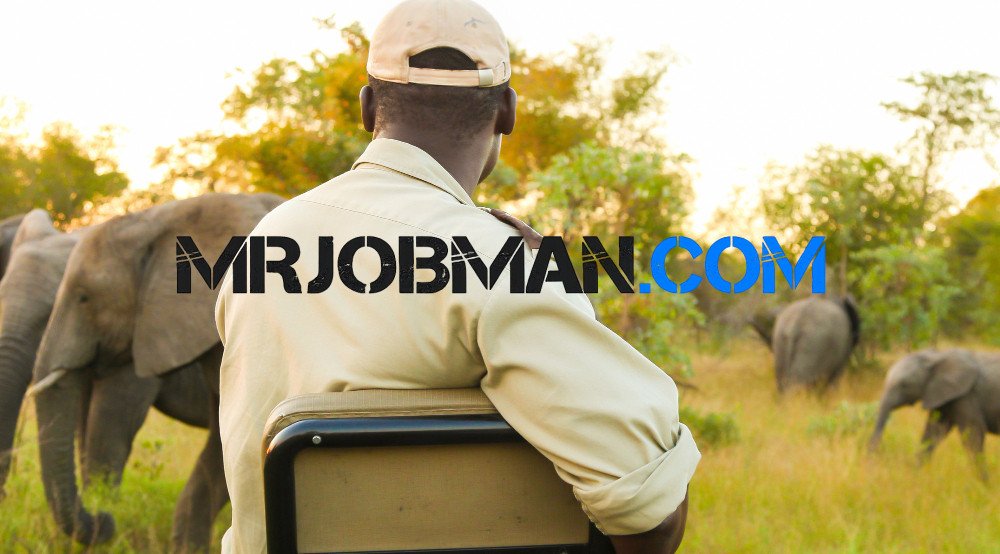
If you’re someone who’s always been curious about animals, their behavior, and how they interact with the environment, then Applied Zoology might just be the perfect field for you. This fascinating area of study is all about using scientific knowledge to solve real-world problems related to animals—whether it’s conserving endangered species, improving animal welfare, or managing wildlife.
Let’s break down what Applied Zoology is all about and what it takes to pursue a career in it, especially in Nigeria.
What is Applied Zoology?
At its core, Applied Zoology is the practical side of zoology. It focuses on understanding animals and their ecosystems, and then using that knowledge to tackle issues like habitat destruction, species conservation, and sustainable development. Unlike general zoology, which might be more theory-based, applied zoology takes that science and puts it into action.
You’ll find applied zoologists working on everything from animal rehabilitation to disease control and environmental education. It’s a hands-on, impactful career that blends passion for animals with real scientific problem-solving.
Why is Applied Zoology Important?
Studying Applied Zoology helps us understand how animals live, adapt, and survive—and how our actions affect them. In a world facing climate change, deforestation, and biodiversity loss, this knowledge is more important than ever.
Whether it’s conserving wildlife in national parks, helping farmers manage livestock sustainably, or working in labs to study animal diseases, applied zoologists play a big role in building a more balanced and sustainable future.
Key Areas in Applied Zoology
Applied Zoology covers a wide range of specializations. Some of the core areas include:
- Conservation Biology: Focuses on protecting animal species and their habitats.
- Wildlife Management: Involves managing wild animal populations and human-wildlife interactions.
- Animal Behavior: Studies how animals act and respond to their environments.
- Veterinary Science: Focuses on animal health, diseases, and medical care.
These areas overlap with many industries, including agriculture, medicine, and environmental science—making it a very versatile field.
Real-World Applications of Applied Zoology
The practical side of this field can be seen in many areas:
- Conservation Projects: Protecting endangered animals and preserving biodiversity.
- Disease Prevention: Monitoring and controlling outbreaks in wildlife and domestic animals.
- Rehabilitation Work: Helping injured or orphaned animals return to the wild.
- Sustainable Agriculture: Promoting eco-friendly farming that supports both people and nature.
In short, applied zoologists use their training to improve animal welfare and protect the planet.
What You Need to Study Applied Zoology
Educational Background
- A high school diploma or its equivalent.
- Strong performance in core science subjects like Biology, Chemistry, Mathematics, Physics, and Ecology.
- Letters of recommendation from teachers or mentors in science-related fields.
Having a good grasp of scientific concepts and analytical skills will definitely give you a head start.
GPA Requirements
- Most universities look for a minimum GPA of 3.0 on a 4.0 scale.
- Some highly competitive programs may require higher scores.
- Academic transcripts will be closely reviewed, especially in core science subjects.
Maintaining good grades isn’t just for admission—it also builds your confidence for the demanding coursework ahead.
Admissions Process: Step-by-Step
Application Deadlines
Each university sets its own deadlines, so make sure you check well in advance. Applying early can increase your chances of getting accepted—and even qualifying for scholarships.
Documents You’ll Need
- Academic transcripts
- Letters of recommendation
- A compelling personal statement or motivation letter
- Test scores (if required)
Personal Statement Tips
Your statement should tell your story. What inspired your interest in zoology? What are your career goals? Why are you passionate about animals and the environment?
Tailor your essay to each program, and let your enthusiasm shine through.
Interview Preparation
Some schools may invite you for an interview, either in person or online. If so:
- Be ready to talk about your academic background and future goals.
- Share any volunteer or fieldwork experiences.
- Dress professionally and stay confident—it’s your moment to stand out.
Fieldwork: The Heart of Applied Zoology
One of the most exciting parts of studying Applied Zoology is getting out of the classroom and into the field. Fieldwork offers real-world experiences like:
- Observing animal behavior
- Conducting biodiversity surveys
- Tracking wildlife populations
- Participating in conservation projects
Why Fieldwork Matters
- It helps you apply what you’ve learned in lectures.
- It builds essential research and data collection skills.
- You’ll meet professionals and build your network.
- It prepares you for careers where hands-on knowledge is a must.
For many students, fieldwork is where their passion truly comes alive.
Career Paths in Applied Zoology
A degree in Applied Zoology can open doors in a range of fields. Some career options include:
- Zoologist
- Wildlife Biologist
- Conservation Scientist
- Animal Behaviorist
- Marine Biologist
- Zoo Curator
- Environmental Consultant
These professionals work in government agencies, NGOs, research labs, zoos, national parks, and even media and education.
Salary Expectations and Job Outlook
How Much Can You Expect to Earn?
- The average salary for professionals in this field is around $64,500 per year (globally).
- In Nigeria, salaries can vary widely based on experience, sector, and location.
- Entry-level jobs may offer modest pay, but there’s room for growth with experience and advanced education.
Job Outlook
According to projections, job growth for zoologists and wildlife biologists is expected to rise steadily, especially in areas related to conservation and environmental policy.
Even though it may not be one of the fastest-growing fields, the demand for experts in biodiversity and animal welfare remains strong—especially with increasing environmental concerns.
Why Studying Applied Zoology Matters
Choosing a career in Applied Zoology is more than just following a passion for animals. It’s about making a real difference in the world.
- You’ll gain practical skills that can be used in conservation, research, policy-making, and education.
- You’ll be part of the solution to major environmental challenges.
- Your work can contribute to sustainable development and the protection of endangered species.
In a time when the natural world is under pressure, applied zoologists are more important than ever.
Final Thoughts
If you love animals, science, and the environment, studying Applied Zoology could be the beginning of a rewarding and impactful journey. It’s a field where curiosity meets compassion, and where your career can have real meaning—both for you and for the planet.
Whether you dream of working in a lab, out in the wild, or educating others, Applied Zoology offers endless possibilities to grow, explore, and make a difference.