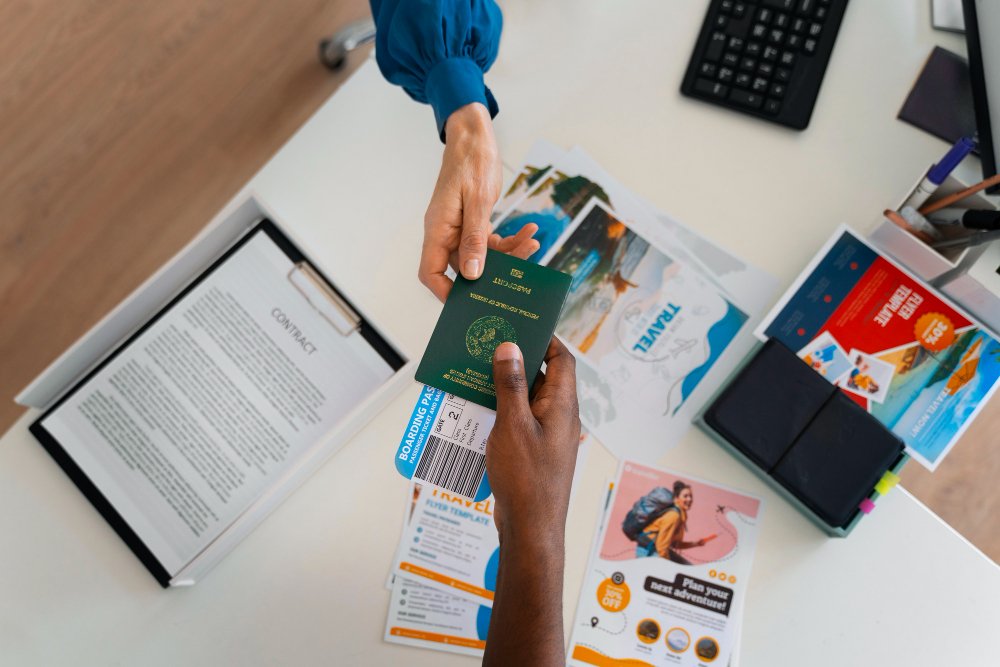
International travel from Nigeria has grown steadily over the years. Nigerians travel abroad for education, business, employment, medical care, tourism, religious pilgrimages, and family reunification. Yet, for most destinations, the biggest hurdle is not booking a flight or choosing accommodation, it is securing the right travel documents, especially visas. This reality has given rise to a specialized and increasingly important profession within the travel industry: visa processing and travel documentation services.
A career in visa processing and documentation in Nigeria sits at the intersection of travel consultancy, administrative expertise, and regulatory compliance. Professionals in this field help individuals and organizations navigate complex visa rules, prepare accurate documentation, meet embassy requirements, and avoid costly mistakes. As visa policies become stricter and more detailed, the demand for knowledgeable documentation specialists continues to grow.
This article explores the visa processing and documentation career in Nigeria in depth, focusing on what the job involves, the skills required, entry routes, income potential, ethical considerations, challenges, and long-term career growth within travel documentation services.
Understanding Visa Processing and Travel Documentation Services
Visa processing and documentation services involve guiding clients through the requirements and procedures needed to legally enter another country. While visa officers and embassies make final decisions, documentation professionals play a critical preparatory role.
In Nigeria, visa documentation specialists work with individuals, families, corporate organizations, travel agencies, educational consultants, and religious institutions. Their role is advisory and administrative, ensuring that applications are complete, accurate, and compliant with current embassy standards.
Travel documentation services go beyond visas alone. They may include passport assistance, travel insurance guidance, invitation letter support, appointment scheduling, biometric preparation, and compliance checks for immigration rules.
Because visa refusal can lead to financial loss, emotional stress, and travel delays, clients place a high level of trust in professionals offering these services.
Why Visa Processing Is a Viable Career in Nigeria
Visa processing has become a viable and sustainable career path in Nigeria for several reasons.
First, Nigeria has one of the highest volumes of outbound travelers in Africa. Students apply to universities abroad, professionals attend conferences and training programs, families visit relatives overseas, and entrepreneurs travel for trade and investment.
Second, visa requirements for Nigerians are often complex and frequently updated. Many travelers find embassy guidelines confusing or overwhelming, creating a strong need for professional guidance.
Third, the rise of travel agencies, study abroad consultants, and relocation services has increased demand for documentation specialists who can work independently or as part of a larger organization.
Finally, the career does not always require heavy startup capital. With proper knowledge, credibility, and ethical practice, professionals can build sustainable businesses or careers within existing travel firms.
Core Responsibilities in Visa Processing and Documentation
The work of a visa processing professional involves precision, research, and strong client communication. While responsibilities vary depending on specialization, several core tasks define the role.
Visa Requirement Assessment
The first responsibility is determining the correct visa category for each client. Visa types include tourist visas, business visas, student visas, work visas, transit visas, family reunion visas, and medical visas.
Each category has specific requirements, eligibility criteria, and limitations. A documentation professional assesses the client’s travel purpose, background, and destination to recommend the appropriate visa path.
Incorrect visa classification is a common cause of refusal, making this step critical.
Document Checklist Preparation
Once the visa type is identified, the professional prepares a detailed document checklist based on embassy requirements.
This may include passports, photographs, bank statements, employment letters, admission letters, invitation letters, travel itineraries, insurance certificates, and application forms.
For Nigerian applicants, embassies often scrutinize financial documents and ties to home country. Documentation specialists guide clients on how to present these documents clearly and legitimately.
Application Form Guidance and Review
Many visa applications involve lengthy online or paper forms. Errors in names, dates, travel history, or employment details can lead to delays or rejections.
Documentation professionals assist clients in filling out forms correctly or review completed forms for accuracy and consistency.
Attention to detail is essential at this stage, as even minor discrepancies can raise red flags.
Appointment Scheduling and Biometric Preparation
Most embassies require applicants to book appointments for biometrics and interviews. Professionals assist with scheduling appointments at visa application centers and embassies.
They also prepare clients for biometric procedures and interviews by explaining what to expect, how to present themselves, and what documents to carry.
While they do not coach applicants to deceive, they help clients understand the process and reduce anxiety.
Submission Tracking and Follow-Up
After submission, documentation professionals track application progress and communicate updates to clients.
They may also assist with additional document requests, resubmissions, or clarifications requested by embassies.
Timely follow-up improves client confidence and service quality.
Types of Visa Documentation Services in Nigeria
Visa processing professionals often specialize in certain categories to improve expertise and efficiency.
Tourist and Visit Visa Services
Tourist and visit visas are among the most common applications in Nigeria. These services involve assisting individuals traveling for holidays, family visits, or short-term stays.
Professionals guide clients on proof of funds, travel history, accommodation bookings, and invitation letters where required.
Because these visas are frequently refused when documentation is weak, expertise in presentation and compliance is essential.
Student Visa Documentation
Student visa processing is a major niche in Nigeria due to high demand for foreign education.
Documentation specialists work closely with study abroad consultants or educational institutions. They assist with admission letters, proof of funds, sponsorship letters, academic records, and visa forms.
Understanding the visa rules of popular destinations such as the United Kingdom, Canada, United States, Germany, and other European countries is critical in this niche.
Business and Corporate Visa Processing
Business visa services cater to professionals, executives, and organizations traveling for meetings, conferences, training, or short-term assignments.
These applications often require invitation letters from foreign companies, corporate profiles, and employer endorsement letters.
Accuracy, speed, and confidentiality are especially important in corporate visa processing.
Work and Relocation Visa Support
While full work visa sponsorship is usually handled by employers, documentation professionals assist with supporting documents, background checks, and application preparation.
This niche requires deep knowledge of immigration rules and ethical boundaries, as misinformation in work visa processing is common.
Religious and Pilgrimage Travel Documentation
Nigeria has significant demand for pilgrimage travel, particularly to Saudi Arabia, Israel, and other religious destinations.
Documentation professionals support group applications, liaise with religious organizations, and ensure compliance with special visa requirements.
Skills Required for a Successful Career
Visa processing and documentation require a unique combination of technical knowledge and interpersonal skills.
- Strong attention to detail is essential, as documentation errors can have serious consequences.
- Research skills help professionals stay updated on changing visa policies.
- Clear communication skills are needed to explain complex requirements in simple terms.
- Patience and empathy help when dealing with anxious or frustrated clients.
- Organizational skills enable professionals to manage multiple applications simultaneously without confusion.
- Integrity and professionalism are non-negotiable in this career.
Educational Background and Training
There is no single mandatory degree to enter visa processing and documentation services in Nigeria, but certain backgrounds are helpful.
Degrees in international relations, political science, law, public administration, mass communication, or business administration provide relevant knowledge.
Professional training programs in travel and tourism, immigration consultancy, or visa documentation add credibility.
Many professionals learn through mentorship, hands-on experience, and continuous self-study using embassy websites and official resources.
Entry Routes into the Career
There are several ways to start a career in visa processing and documentation in Nigeria.
Many individuals begin by working with travel agencies, study abroad consultancies, or relocation firms. Entry-level roles may include documentation assistant or visa officer.
Others start as freelancers, offering services to friends and referrals while gradually building experience and credibility.
Some professionals transition from customer service, administrative, or legal backgrounds into visa documentation roles.
Regardless of entry route, building a strong knowledge base and reputation is essential.
Income and Earning Potential in Nigeria
Earnings in visa processing and documentation vary based on experience, specialization, and client volume.
Professionals working with established agencies typically earn salaries supplemented by commissions or service fees.
Independent documentation consultants earn per-application fees, which vary by destination and visa type. Student visas and complex applications often attract higher fees.
Corporate and group applications can generate significant income, especially for experienced professionals.
While income can fluctuate, consistent quality service leads to repeat clients and referrals.
Ethics and Legal Boundaries in Visa Processing
Ethics are critical in this profession. Visa documentation professionals do not guarantee visa approvals, influence embassy decisions, or provide false documents.
Misrepresentation, document forgery, or false promises damage clients and can lead to legal consequences.
Professional consultants clearly explain that visa decisions rest solely with embassies and that honesty is essential.
Building a career on integrity ensures long-term sustainability and protects clients.
Common Challenges in the Field
Visa processing professionals in Nigeria face several challenges.
Frequent changes in visa policies require constant learning. Clients may blame consultants for refusals despite proper documentation.
Embassy delays, system downtimes, and appointment shortages can disrupt timelines.
Competition from unqualified agents who make unrealistic promises can undermine public trust.
Managing client expectations and maintaining professionalism under pressure are ongoing challenges.
Career Growth and Specialization Opportunities
With experience, documentation professionals can specialize further or expand into related fields.
Some become senior visa consultants, team leads, or operations managers within travel firms. Others establish full-service travel documentation businesses.
Specialization in student visas, corporate mobility, or specific destinations enhances expertise and income potential.
Some professionals transition into immigration law support roles or international education consultancy.
The Role of Technology in Visa Documentation Services
Technology has transformed visa processing. Online applications, appointment portals, and digital document uploads are now standard.
Professionals who embrace digital tools improve efficiency and accuracy. Client management systems help track applications and deadlines.
However, technology does not replace human expertise, especially in interpreting requirements and advising clients.
The Future of Visa Processing Careers in Nigeria
As global mobility increases and visa rules become more complex, the need for skilled documentation professionals will continue to grow.
Educational migration, international business, and diaspora travel will sustain demand.
Professionals who commit to continuous learning, ethical practice, and client-centered service will remain relevant and successful.
Final Thoughts
A career in visa processing and documentation in Nigeria is a practical, knowledge-driven profession with long-term relevance. It offers opportunities to earn a living while helping people access education, opportunities, and experiences beyond Nigeria’s borders.
For individuals who enjoy research, organization, and client support, travel documentation services provide a meaningful and sustainable career path. With integrity, accuracy, and dedication, visa processing professionals can build trusted reputations and play a vital role in Nigeria’s travel and mobility ecosystem.