Introduction
Fish is an essential source of protein and a key part of the Nigerian diet. As the population grows and urbanisation increases, the demand for fish continues to rise. Unfortunately, Nigeria still imports a significant amount of fish to meet this demand, highlighting the need for local production. This has created exciting opportunities for careers in fisheries and aquaculture, a sector that combines environmental science, biology, and practical farming skills.
Fisheries and aquaculture professionals work to ensure sustainable fish production, whether through managing natural water bodies or running controlled fish farms. From government agencies to private farms, research institutes, NGOs and international organisations, there is a wide range of opportunities for young Nigerians interested in building a rewarding career in this field. This article provides a detailed guide on educational pathways, career options, salaries, skills required, and practical steps to start your journey in fisheries and aquaculture.
Understanding Fisheries and Aquaculture
Understanding Fisheries
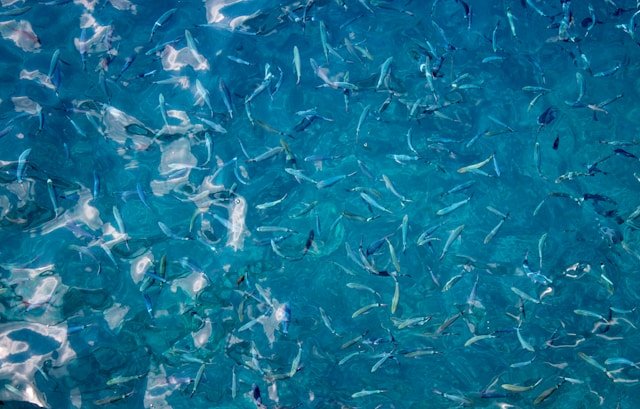
Fisheries involve the capture and management of wild fish populations in lakes, rivers, ponds, and coastal waters. Professionals in this area monitor fish stocks, ensure sustainable harvesting practices, and work with local communities to manage aquatic resources. Careers in fisheries often include roles in government agencies, research institutions, and non-governmental organisations that focus on sustainable resource use and conservation.
Understanding Aquaculture
Aquaculture, on the other hand, involves controlled fish production in ponds, tanks, cages, or other artificial systems. It focuses on breeding, rearing, and harvesting fish in a managed environment to meet market demands. Aquaculture is vital in Nigeria because it helps reduce reliance on imported fish, improves food security, and creates employment opportunities. Modern aquaculture also incorporates technology for water quality monitoring, automated feeding systems, and disease management.
Difference Between Fisheries and Aquaculture
The key difference between fisheries and aquaculture is the source of fish production. Fisheries focus on wild capture from natural ecosystems, while aquaculture relies on controlled environments to produce fish. The skills and job roles in each area differ slightly, with fisheries professionals often engaged in monitoring and regulation, while aquaculture specialists focus on farm management, breeding, and production optimisation.
Why Fisheries and Aquaculture Are Important in Nigeria
Nigeria is a country with abundant water resources, including rivers, lakes, wetlands, and a long coastline. These resources make fisheries and aquaculture a critical sector for food production and economic development. Some reasons the field is vital include:
- Food Security: Fish is a primary source of protein, and sustainable production helps feed the growing population.
- Economic Contribution: Fisheries and aquaculture contribute to Nigeria’s GDP and create job opportunities in rural and urban communities.
- Employment Generation: From farm workers to researchers, the sector offers multiple career paths.
- Reducing Imports: By improving local fish production, Nigeria can reduce dependency on expensive imports.
- Global Opportunities: Fisheries and aquaculture skills are in demand internationally, opening doors for export and consultancy work.
Courses and Educational Pathways
Secondary School Requirements
Students aspiring to work in fisheries and aquaculture should focus on science-based subjects. These include:
- Biology
- Agricultural Science
- Chemistry
- Mathematics
- Geography
- English Language
Strong performance in these subjects is crucial for admission into relevant diploma and degree programmes.
Diploma and Degree Options
Nigeria offers several academic routes for fisheries and aquaculture:
- National Diploma (ND) in Fisheries Technology: A two-year programme providing foundational skills in fish biology, pond management, and water quality monitoring.
- Higher National Diploma (HND) in Fisheries Technology: Advanced studies following the ND, often with practical industrial training.
- Bachelor of Fisheries and Aquaculture: A four or five-year degree programme covering fish breeding, nutrition, disease management, aquaculture engineering, and research.
- Related Programmes: Degrees in Marine Biology, Environmental Management, Zoology, or Aquatic Science also lead to careers in this sector.
Postgraduate Options
Those who wish to specialise further can pursue postgraduate studies such as Masters in Fisheries Management, Aquaculture, Marine Science, or related fields. These programmes open doors to research, consultancy, teaching, and senior management positions.
Institutions Offering Fisheries and Aquaculture
Several universities and colleges across Nigeria offer accredited programmes in fisheries and aquaculture. Notable institutions include:
- Federal University of Agriculture, Abeokuta
- University of Uyo
- University of Port Harcourt
- University of Ibadan
- Federal University of Technology, Akure
- Colleges of Agriculture and Fisheries Technology across different states
Choosing an accredited institution ensures eligibility for professional certification and better career prospects.
Job Prospects in Fisheries and Aquaculture
The sector offers diverse career paths. Some of the most popular roles include:
Fish Farm Manager
Responsible for overseeing fish production, managing ponds or tanks, maintaining water quality, supervising farm staff, and ensuring optimal growth and yield.
Hatchery Technician
Specialises in breeding fish, producing fingerlings, managing broodstock, and ensuring healthy stock for farms and commercial operations.
Fisheries Officer
Works with government agencies to enforce fisheries regulations, monitor water bodies, prevent overfishing, and ensure sustainable practices.
Marine Biologist
Studies aquatic ecosystems, researches fish species, monitors coastal and marine environments, and contributes to conservation programmes.
Quality Control and Processing Officer
Ensures fish products meet safety, quality, and export standards in processing plants and distribution chains.
Fish Nutrition and Feed Specialist
Formulates and tests high-quality feed to enhance growth, health, and productivity of farmed fish.
Aquaculture Consultant
Provides expert advice to fish farms, businesses, and investors on best practices, efficiency improvements, and sustainable production methods.
Fisheries Researcher
Conducts studies on aquatic ecology, fish breeding, nutrition, and disease prevention to improve industry practices.
Extension Officer
Supports community-based aquaculture projects, trains farmers, and promotes modern practices to improve yields and sustainability.
Opportunities with NGOs and International Organisations
There is demand for skilled professionals in marine conservation, ecosystem projects, and development programs run by NGOs and agencies such as the United Nations or African Development Foundation.
Skills Needed for a Successful Career
To thrive in fisheries and aquaculture, you need a combination of technical expertise, practical skills, and interpersonal abilities:
- Aquatic Ecology Knowledge: Understanding fish biology and aquatic ecosystems.
- Water Quality Management: Ability to monitor oxygen levels, pH, and pollutants.
- Fish Breeding and Disease Control: Skills in hatchery management and preventing common fish diseases.
- Pond Design and Maintenance: Knowledge of constructing and maintaining effective production systems.
- Monitoring and Record Keeping: Keeping accurate production, feeding, and growth records.
- Problem Solving: Quickly addressing challenges such as disease outbreaks or water contamination.
- Communication Skills: Educating farmers, staff, and communities on best practices.
Salary Expectations
Entry Level Roles
Fresh graduates working in government agencies, private farms, or NGOs can earn between ₦60,000 and ₦120,000 monthly. Entry-level pay varies depending on the employer, location, and level of responsibility.
Mid Level and Senior Roles
Experienced professionals, farm managers, consultants, or researchers can earn between ₦150,000 and ₦300,000 monthly, with higher salaries possible in large-scale farms, export companies, or international projects.
Allowances and Additional Income Opportunities
- Field allowances for farm or research work
- Performance bonuses and project incentives
- Revenue from personal small-scale fish farming or consultancy services
How to Start a Career in Fisheries and Aquaculture
- Pursue Relevant Education: Choose a diploma or degree programme in fisheries or aquaculture.
- Gain Practical Experience: Participate in internships, SIWES placements, or volunteer at fish farms.
- Develop Technical Skills: Learn hatchery practices, feeding techniques, disease management, and pond construction.
- Join Professional Associations: Networking with professionals provides guidance, training, and exposure to job opportunities.
- Look for Entry Level Jobs: Explore government agencies, private farms, NGOs, and research institutes.
- Start a Small Scale Fish Farm: A beginner-friendly approach to catfish, tilapia, or hybrid fish farming can generate income and experience.
- Continuous Learning: Attend workshops, short courses, and certification programmes to stay updated on industry trends.
Challenges in the Sector
Despite the opportunities, the field has some challenges:
- Water pollution and environmental degradation affecting fish growth
- High cost of fish feed and farming inputs
- Climate variability impacting water levels and temperature
- Limited access to modern farming technologies in some areas
- Inadequate extension services and technical support for small-scale farmers
Future Prospects
The fisheries and aquaculture sector in Nigeria has strong growth potential. With government support, private sector investment, and rising fish demand, skilled professionals are increasingly needed. Opportunities exist locally and internationally for those trained in sustainable practices, aquaculture technology, and research.
The sector also provides a pathway for entrepreneurship, with small and medium scale fish farms being profitable ventures if managed well.
Conclusion
Careers in fisheries and aquaculture are highly rewarding for Nigerians passionate about food production, environmental sustainability, and community development. The sector offers diverse job opportunities, competitive salaries, and the chance to make a tangible impact on Nigeria’s food security and economy.
For young Nigerians looking for a career that combines science, agriculture, and business, fisheries and aquaculture provide a fulfilling and future-proof path. By acquiring the right education, practical skills, and professional network, you can build a successful and long-lasting career in this growing industry.