Introduction
Nigeria’s agriculture sector is not just about crop farming; livestock and animal production play a vital role in providing food, employment, and income for millions of Nigerians. With a growing population and increasing demand for protein-rich foods such as meat, milk, and eggs, livestock production has become an essential part of the country’s food security and economic development.
Livestock and animal production encompasses the rearing of animals such as poultry, cattle, goats, sheep, pigs, and aquatic species. It also involves managing breeding, nutrition, health, and post-production processing. This field offers diverse career opportunities, from farm management to consultancy and research, making it a promising career path for young Nigerians interested in agriculture and agribusiness.
This article explores the career prospects, educational requirements, essential skills, earning potential, and practical steps to start a successful career in livestock and animal production in Nigeria.
Understanding Livestock and Animal Production
Livestock and animal production refers to the practice of breeding, raising, and managing animals for food, income, and other products. The sector includes a variety of animals:
- Poultry: Chickens, turkeys, ducks, and other birds
- Cattle: Dairy and beef cattle for milk, meat, and hides
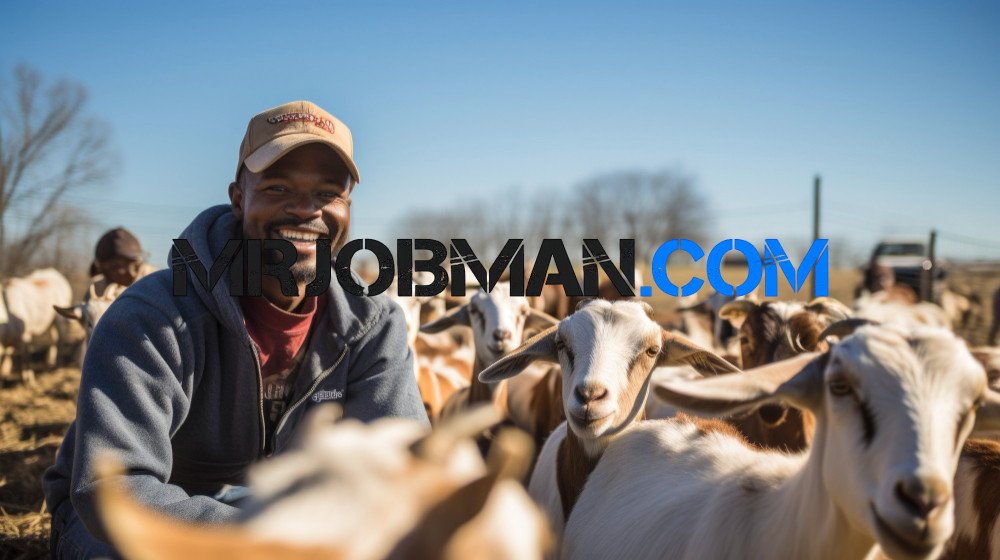
- Goats and Sheep: Rearing for meat, milk, and wool
- Pigs: Meat production and breeding
- Aquatic Animals: Fish and other aquatic species for food and commercial purposes
This field plays a crucial role in nutrition, rural development, employment, and economic growth. Professionals in this area work closely with farmers, agribusinesses, and research institutions to ensure efficient, sustainable, and profitable animal production.
Importance of Livestock and Animal Production Careers in Nigeria
Careers in livestock and animal production are essential for several reasons:
- Food Security and Protein Supply: Animal products provide essential nutrients, including proteins, vitamins, and minerals, vital for a healthy population.
- Employment Creation: Farms, processing plants, and agribusinesses create jobs in rural and urban areas.
- Rural Development: Livestock farming promotes income generation and reduces poverty in rural communities.
- Value Addition: Milk, meat, eggs, hides, and other products support local processing industries and agribusinesses.
- Entrepreneurial Opportunities: Animal production offers avenues for business in feed production, dairy processing, and poultry management.
The increasing demand for animal products in Nigeria and globally makes this sector a promising area for young professionals seeking rewarding and impactful careers.
Educational Pathways for Livestock and Animal Production Careers
Secondary School Requirements
Students interested in livestock and animal production should focus on the following subjects:
- Biology
- Agricultural Science
- Chemistry
- Physics
- Mathematics
Strong performance in these subjects is essential for admission into higher education programmes related to animal science, production, and veterinary studies.
Diploma and Degree Programmes
Several academic pathways can lead to careers in livestock and animal production:
- National Diploma (ND) and Higher National Diploma (HND) in Animal Science, Animal Production, or Livestock Management: Provides foundational knowledge in breeding, nutrition, husbandry, and farm management.
- Bachelor of Science (BSc) in Animal Science, Animal Production, or Veterinary Technology: Offers advanced study in animal nutrition, reproduction, health management, and farm business operations.
- Related Programmes: Degrees in Agricultural Science, Agribusiness, or Veterinary Medicine can also lead to careers in livestock management, consultancy, and research.
Industrial attachments, practical farm experience, and hands-on training are crucial to preparing students for real-world challenges in animal production.
Postgraduate Opportunities
Advanced studies open doors for research, consultancy, and leadership roles:
- Masters in Animal Science, Animal Production, or Livestock Management: Specialisation in breeding, nutrition, farm management, or livestock policy.
- Doctoral Programmes: Focused on research, innovation, and academic leadership in animal science and production systems.
Postgraduate qualifications enhance career prospects and earning potential, while enabling professionals to take on managerial and consultancy roles in large-scale operations.
Institutions Offering Relevant Programmes
Several Nigerian universities and polytechnics offer accredited programmes in livestock and animal production:
- University of Ibadan
- Ahmadu Bello University, Zaria
- Federal University of Agriculture, Abeokuta
- Federal Polytechnic, Ilaro
- University of Nigeria, Nsukka
Choosing a reputable institution ensures quality education, access to industrial attachments, and professional certification opportunities.
Career Opportunities in Livestock and Animal Production
The sector offers diverse and rewarding career paths:
Poultry Farm Manager
Manages large-scale poultry farms for meat and egg production. Oversees feeding, breeding, health management, and staff coordination.
Cattle, Goat, and Sheep Farm Manager
Supervises herds, ensures proper breeding practices, and manages nutrition and grazing systems. Maintains health records and monitors growth rates.
Aquaculture Specialist
Manages fish farming operations, including pond design, feeding, and disease control. Ensures sustainable production and efficient harvest.
Animal Nutritionist
Formulates balanced feed for different types of livestock to enhance growth and productivity. Advises farmers on dietary requirements for optimal animal health.
Veterinary Technician or Assistant
Supports veterinarians in diagnosing and treating animal diseases. Administers vaccines, medications, and basic care procedures.
Livestock Consultant
Advises farms and agribusinesses on productivity, efficiency, and sustainability. Offers expertise in breeding, feeding, and farm management systems.
Researcher or Academic
Conducts research on animal breeding, health, nutrition, and sustainable production. Teaches and mentors students in universities or research institutions.
Entrepreneur
Establishes farms, feed production businesses, dairy or meat processing ventures, and poultry operations. Explores innovative livestock business models to meet market demand.
Opportunities with NGOs and Government Agencies
Working on livestock development programmes, rural farming initiatives, and food security projects. Collaborating with international organisations for sustainable animal production projects.
Skills Required for Success
To excel in livestock and animal production careers, professionals need:
- Strong knowledge of animal husbandry, nutrition, and health management
- Problem-solving and analytical skills for farm operations and efficiency improvement
- Record-keeping and farm management skills
- Communication and teamwork abilities for interacting with farm staff, consultants, and stakeholders
- Entrepreneurial skills for starting and running livestock businesses
- Familiarity with veterinary practices, disease control, and sustainable farming methods
Salary Expectations
Entry-Level Positions
Farm assistants, junior technicians, and animal attendants typically earn ₦70,000 to ₦150,000 per month, depending on location and employer.
Mid-Level and Senior Positions
Farm managers, livestock consultants, and animal nutritionists earn between ₦200,000 and ₦500,000 per month. Salaries are higher for positions in large-scale commercial farms or multinational agribusinesses.
Entrepreneurial Earnings
Successful livestock entrepreneurs can generate monthly earnings exceeding ₦1,000,000, depending on farm size, animal type, and market demand.
Factors Influencing Income
- Level of education and professional certifications
- Years of experience and technical expertise
- Type and scale of farm or business
- Market demand and business innovation
How to Start a Career in Livestock and Animal Production
- Choose the Right Academic Programme: Pursue diplomas, degrees, or postgraduate programmes in animal science or related fields.
- Gain Practical Experience: Participate in farm attachments, internships, and hands-on training.
- Obtain Certifications: Professional certifications in animal nutrition, veterinary assistance, or farm management enhance employability.
- Join Professional Associations: Organisations such as the Nigerian Society of Animal Production (NSAP) provide networking and development opportunities.
- Explore Entrepreneurship: Start poultry, cattle, goat, sheep, pig, or aquaculture farms to meet growing market demand.
- Stay Updated: Keep up with modern livestock production techniques, disease management, and emerging markets.
Challenges in the Sector
Despite its potential, the livestock and animal production sector faces challenges:
- Disease outbreaks affecting livestock health and productivity
- Limited access to quality feed, veterinary care, and farm inputs in some regions
- High capital requirements for large-scale farming
- Environmental and climate-related challenges affecting grazing and water availability
- Competition and fluctuating market prices
Future Prospects
The future of livestock and animal production in Nigeria is promising:
- Increasing demand for meat, dairy, eggs, and protein-rich foods
- Expansion of commercial and export-oriented farming
- Technological integration in feeding, breeding, health monitoring, and farm management
- Opportunities for research and innovation in sustainable and high-yield production
- Growth of agribusiness and entrepreneurship in value-added animal products
Young Nigerians who acquire the right education, practical skills, and entrepreneurial mindset can thrive in this sector while contributing to national food security and economic growth.
Conclusion
Livestock and animal production is a rewarding and impactful career path that provides food, employment, and economic opportunities. Professionals in this field manage farms, ensure animal health and nutrition, develop innovative production methods, and contribute to sustainable agricultural practices.
By pursuing relevant education, gaining practical experience, obtaining professional certifications, and exploring entrepreneurial opportunities, young Nigerians can establish successful careers in livestock and animal production. This field not only offers strong earning potential but also allows professionals to play a vital role in Nigeria’s food security and agribusiness development.